Compare Local Contractors for Your Interior Home Projects
Compare local contractors for interior home improvements to define project scope, verify experience, and set clear expectations in writing for a successful renovation.
Interior home improvement projects encompass a wide range of work aimed at enhancing the functionality, comfort, and aesthetic appeal of indoor living spaces. Common types of work include remodeling kitchens and bathrooms, installing new flooring, upgrading lighting fixtures, adding built-in storage solutions, and refining interior layouts. These projects often involve multiple tasks that require careful planning and coordination to ensure the finished space aligns with the property owner’s vision and meets practical needs.
Clearly defining the scope of an interior improvement project is essential for setting realistic expectations and ensuring all parties are aligned. A detailed scope outlines the specific work to be completed, materials to be used, and any design preferences or functional requirements. This clarity helps prevent misunderstandings and scope creep, which can lead to delays or disputes. Property owners are encouraged to communicate their goals thoroughly and document the agreed-upon work in writing, creating a reference point throughout the project.
When comparing local contractors for interior home improvement, property owners should consider their experience with similar projects, reputation within the community, and the scope of services offered. Gathering multiple bids and reviewing each contractor’s proposed approach can reveal differences in how they plan to execute the work. It’s also helpful to verify references or seek feedback from previous clients to gauge reliability and quality of work. By focusing on these practical factors, property owners can make informed decisions and select service providers who are well-equipped to meet their interior improvement needs.
Compare local contractors by outlining your project priorities, verifying experience, and setting clear expectations in writing.
- Compare Contractor Experience - Review the backgrounds of local contractors to ensure relevant experience for interior home improvements.
- Define Project Scope Clearly - Establish detailed project descriptions to align expectations and prevent misunderstandings.
- Verify Credentials and References - Check references and previous work to assess the quality and reliability of service providers.
- Document Agreements in Writing - Ensure all project details, responsibilities, and expectations are documented to protect all parties involved.
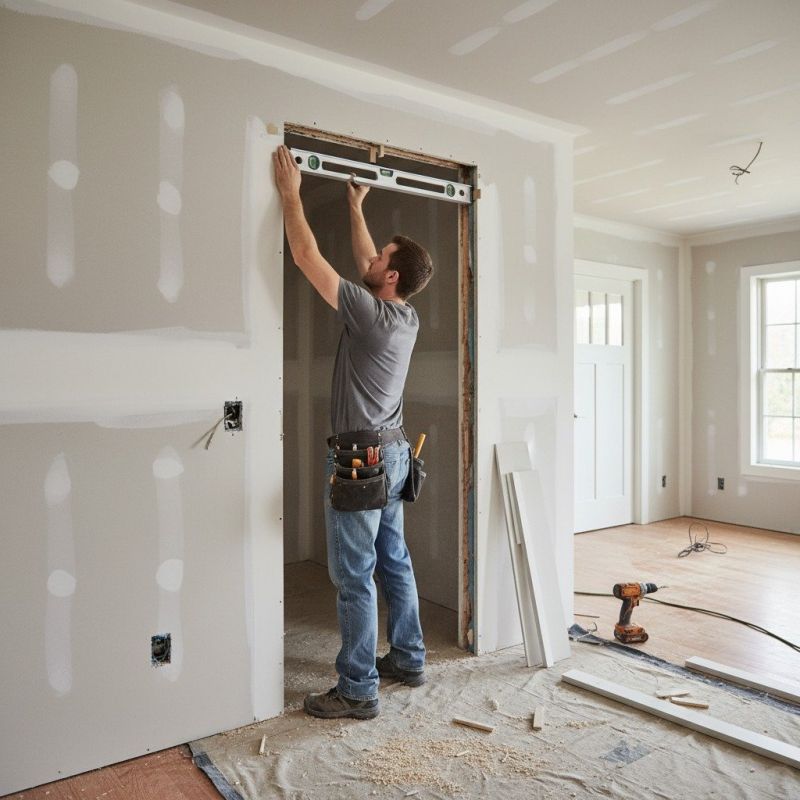
Clearly describe your interior home improvement project to effectively compare service providers and set clear expectations.
- Verify experience and expertise in interior home improvement projects. Consider reviewing portfolios or project examples to assess the quality of work.
- Define the scope of work clearly in writing to avoid misunderstandings. Ensure the contractor provides a detailed description of tasks and materials.
- Compare multiple local contractors to evaluate their approaches and communication styles. Look for transparency and professionalism in their responses.
- Check references or reviews to gauge previous clients' satisfaction with the contractor’s work. Seek feedback on reliability, craftsmanship, and adherence to scope.
- Ensure all project expectations, including materials and finishes, are documented in the agreement. This helps to establish clear expectations before work begins.
- Discuss how changes or additional work will be handled and documented during the project. Clear communication about change management can prevent disputes.
Compare local contractors, clarify project scope, verify experience, and document expectations to guide your renovation.



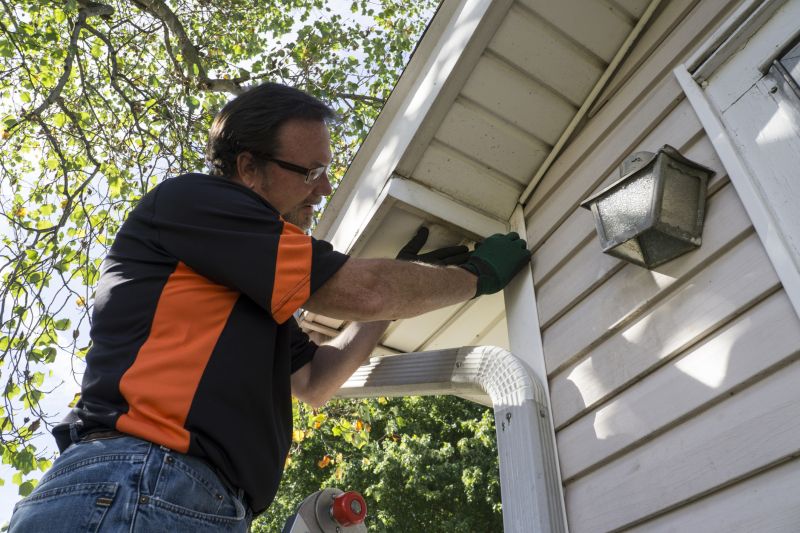
Use clear, consistent comparison criteria across local contractors to accurately define scope and verify experience.
- Project Scope - Clearly define the specific interior improvements needed to establish the project boundaries.
- Material Selection - Identify preferred materials, finishes, and design elements to guide contractor proposals.
- Experience Verification - Confirm that local contractors have relevant experience with similar interior projects.
- Work Details - Document detailed descriptions of tasks, responsibilities, and expectations in writing.
- Communication Expectations - Establish preferred methods and frequency of updates to ensure clarity throughout the project.
When evaluating contractors for interior home improvement projects, it is important to consider their experience with similar types of work. Service providers who have a history of completing projects comparable in scope and complexity can often bring a better understanding of the specific challenges involved. Asking about past projects or reviewing their portfolio can help determine if their expertise aligns with the needs of the current project. This background can provide confidence that the contractor is familiar with the techniques, materials, and standards relevant to interior renovations.
A clear, written scope of work is essential for setting expectations and ensuring all parties are aligned. An effective contractor will be able to outline the specific tasks, materials, and finishes involved in the project in a detailed document. This scope serves as a reference point throughout the project, helping to prevent misunderstandings or scope creep. When comparing service providers, look for contractors who are willing to provide comprehensive written descriptions of what will be included and what will not, fostering transparency and clarity from the outset.
Verification basics involve confirming a contractor’s credentials and reputation through reliable sources. While licensing and certification are not the focus, it remains helpful to check references or reviews from previous clients. Asking service providers for contact information of past customers can offer insights into their work ethic, communication, and professionalism. Additionally, verifying that the contractor has experience with projects of similar size and scope can help ensure they are capable of delivering quality results suited to the specific interior improvements planned.
Evaluating options without focusing on prices involves assessing the quality of proposals and the professionalism of each contractor. Consider how well each service provider communicates their approach and whether their scope of work aligns with project goals. Comparing the level of detail in their written proposals, the clarity of their explanations, and their responsiveness can reveal their commitment to transparency and quality. Taking the time to thoroughly review and compare these factors can help identify the most reliable and capable service providers for interior home improvements.
Ask contractors to provide written scope details to ensure clear expectations and consistent project understanding.
- Experience and Portfolio - What specific projects has the contractor completed similar to your interior home improvement needs?
- Scope of Work - How clearly does the contractor define the scope of work and deliverables in writing?
- Comparison of Services - How do the services offered by different local contractors differ in terms of included tasks and materials?
- Communication and Clarification - What questions should be asked to ensure the contractor understands and agrees on your project expectations?
- Credentials and References - How can you verify the experience and reliability of local service providers before hiring?
How can I compare interior home improvement contractors? To compare contractors, review their experience, check references, and verify their familiarity with similar projects. Gathering multiple bids and asking detailed questions can help identify the best fit for your needs.
What should I include in the scope of work when working with a contractor? Clearly define the tasks, materials, and finishes expected, and outline specific project details. Providing a detailed scope helps ensure everyone is on the same page and reduces misunderstandings.
How can I verify a contractor’s experience with interior home projects? Ask for examples of completed projects similar to yours, request references, and inquire about their background in handling specific types of improvements to assess their expertise.
Why is it important to have written agreements with contractors? Written agreements clarify the scope, expectations, and responsibilities, helping prevent disputes and ensuring that all parties understand the project details and deliverables.
What questions should I ask potential contractors before hiring? Inquire about their experience with similar projects, their approach to managing work, and how they handle unforeseen issues. Clear communication can help set realistic expectations.
How can I determine if a contractor is a good match for my interior home improvement project? Evaluate their experience, review their portfolio or references, and ensure they understand your project scope. A contractor who communicates clearly and understands your goals can be a suitable choice.
By exploring options for interior home improvement, visitors can gain a clearer understanding of how to define project scope, verify contractor experience, and set clear expectations in writing. Comparing local contractors helps ensure choices align with specific project needs and preferences, making the process more manageable and informed. Utilizing the quote form provides an easy way to connect with trusted service providers who can handle the job effectively.
Taking the time to compare and evaluate local contractors empowers homeowners to find service providers suited to their interior renovation goals. Using the quote form to reach out allows for straightforward comparisons among qualified professionals, helping to identify options that best match the project's requirements. This approach supports making well-informed decisions when selecting local contractors for interior home improvements.